It took a hundred years to go from hot air balloons strapped with incendiaries to a fully remote radio-controlled plane. The next 75 years seem like small advancements based on appearance and overall purpose, but the technological gap is just as wide if not even more so since the end of WWII.
Constant governance and surveillance overtook the world. As weapons progressively grew and grew to the point of the atomic bomb, the true magnitude of what was created was experienced in tragic events like Hiroshima and Nagasaki. The U.S. and just about every other country was paranoid, and UAVs were a reliable way to cross borders and learn more about a country’s current standing.
The drone was a perfect piece of technology encapsulating events like the Cold War, hidden threats invading not to initiate combat, but to get as close to that boundary as possible. Several Americans were shot down in U-2 spy planes over Russia and China, which began UAV programs to better the technology and allow for more intensive reconnaissance.
As interest in UAVs grew, the market within the military expanded over the next several decades, becoming a top priority for every military. by 2013, over 50 countries had acquired or built their own UAVs, like Israel’s Tadiran Mastiff, a revolution in 1975 with live-video streaming capabilities to it’s long battery life. Drones guaranteed a minimum of one person saved from potentially deadly situations.
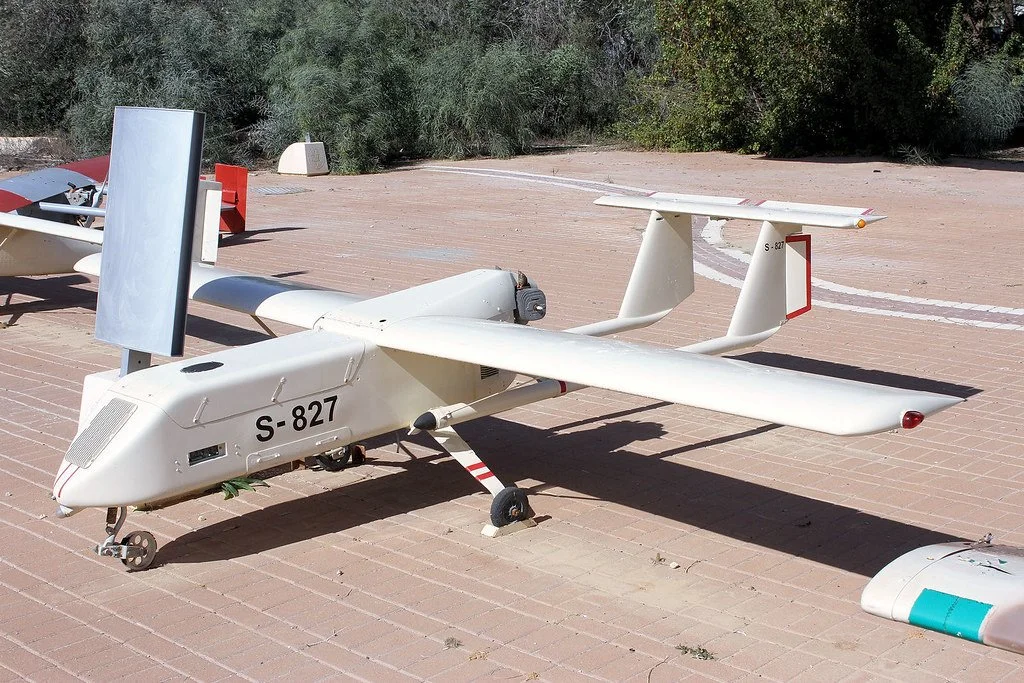
Israeli Tadiran Mastiff
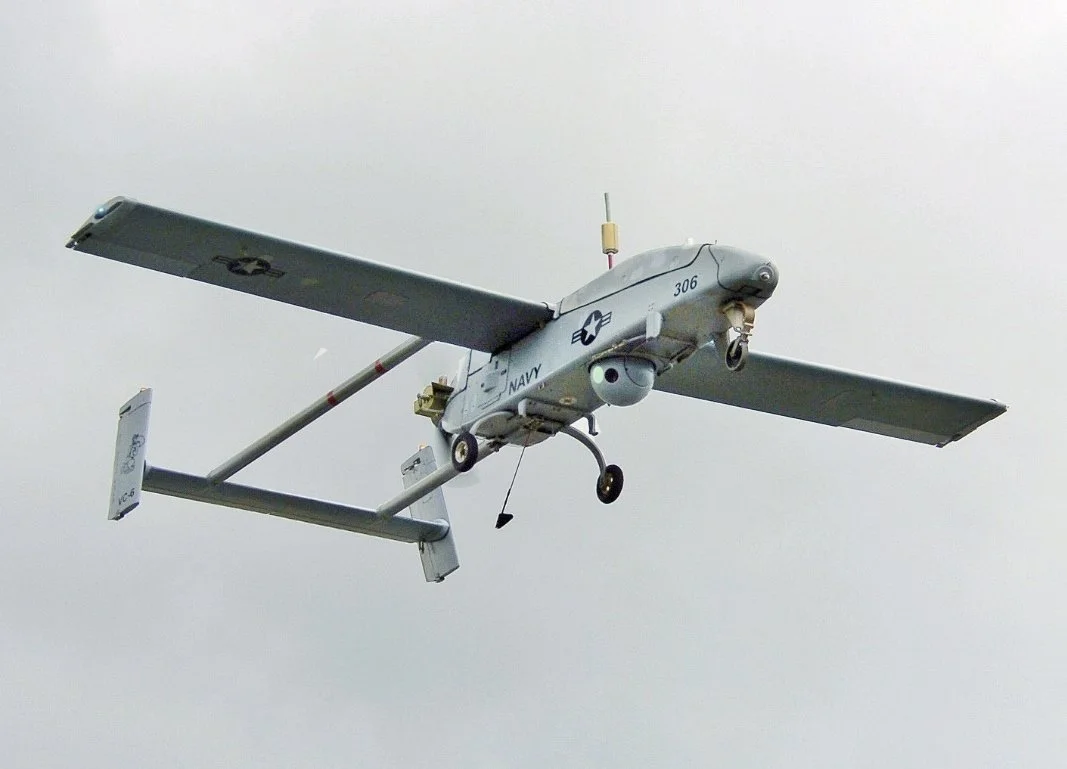
AAI RQ-2 Pioneer