Well before the modern day terms of “drones” and “UAVs,” and even before the first engine-powered aircraft, there was the first aerial bombing in Venice. Venice was rotating under French and Austrian rule during power struggles that first began in the late 1700s, fighting over the area for over a hundred years.
In 1849, a rebellion began in Venice while the area was under Austrian rule, and due to the nature of being largely an island city, bringing troops in was difficult. This resulted in the use of hot air balloons as a way to siege the city, attaching incendiary devices and then releasing the balloons in hopes of destroying large portions of the city and ending the rebellion.
For the next several decades, unmanned aerial vehicles weren’t often used or advanced until World War I. Engineer Archibald Montgomery Low is the main person that has led us to the current technology of UAVs, having been the first to utilize a radio system that allowed a remote pilot to interact and control a motorized aircraft.
This development began what is now over a hundred years of constant evolution of UAVs since he created this system in 1916. It quickly led to large-scale production that aided Britain during the war, allowing for successful raids across Belgium and Germany.
The most important part of this development was not the actual creation itself, but simply the idea of it. By inventing this remote radio system, it becomes public knowledge, allowing for thousands of other people to begin experimenting. Only a year later, the Kettering Bug flew successfully in the United States.
The next few decades rapidly advanced UAV capabilities even for unexpected uses. Several aircraft models, such as the handful of various aircrafts with the Queen in their name, were altered to be remotely flown often for practice firing of battleship’s guns. It was with these types of models, such as the Queen Bee, that popularized the term drones in the world of aircraft.
While all past models were related to warfare and combat, World War II is where UAVs began to be widely used the same way modern-day drones are today alongside continue models for target practice. Bombers, reconnaissance and kamikaze drones entered the airspace in a multitude of shapes and sizes. Even once the war ended, UAV development rapidly progressed into the Cold War, foreign conflicts and our daily lives.
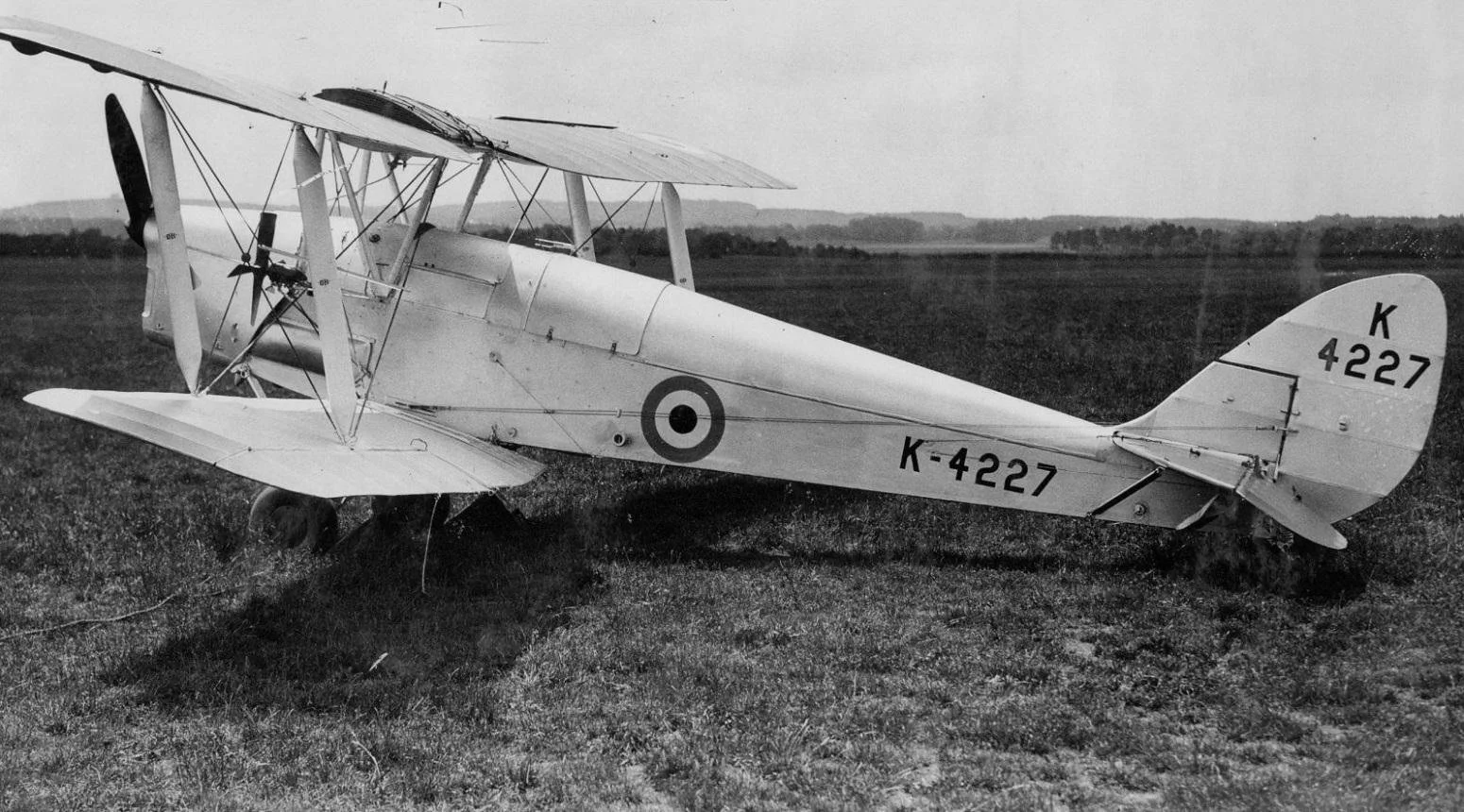
de Havilland DH.82 "Queen Bee" K4227 pilotless aircraft
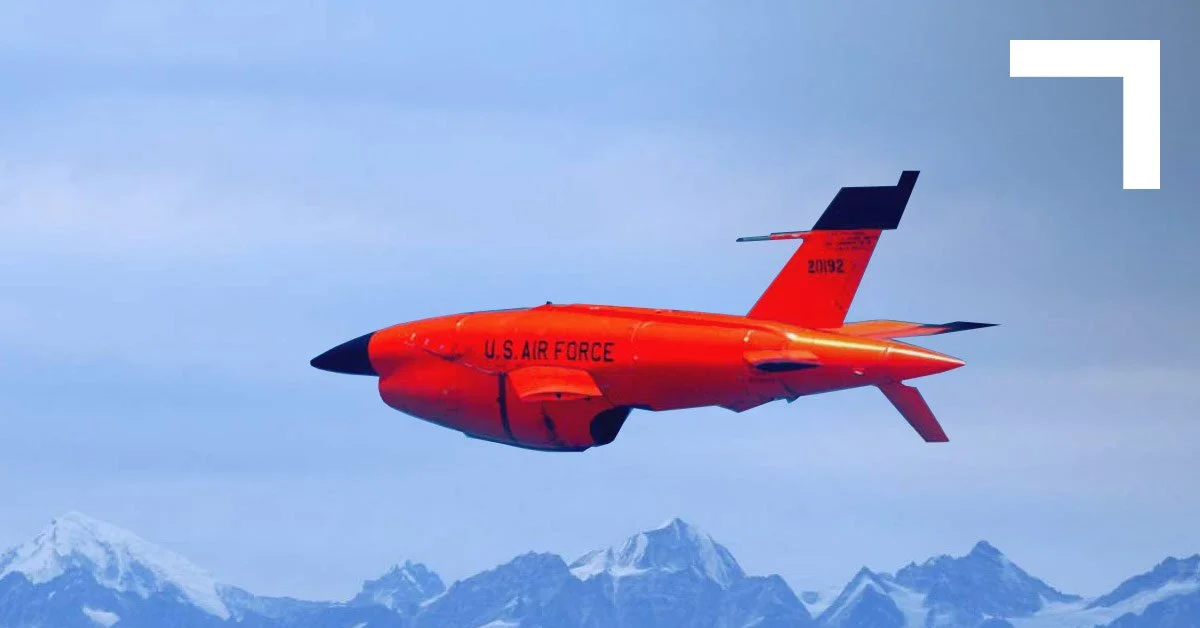
BQM-34 Firebee